
Before you go
Yes, and the useful version of that answer is more specific. The things that actually go wrong for visitors here are petty theft from beaches, the roads, and the sea. Almost nothing else. Is Mauritius safe? Yes. Here is each risk, and what to do about it.
People ask is Mauritius safe far more often than the answer warrants, usually because it is an African island and the mental map says something the reality does not. This is a stable parliamentary democracy with a large middle class, near universal literacy, and an economy that runs substantially on tourism, which means the country has strong reasons to keep visitors comfortable and generally succeeds.
We meet flights and drive guests around this island every day of the year. What we see go wrong is a short and consistent list, and violent crime against tourists is not on it. What is on it is a bag left on a beach towel, a hire car on a road narrower than the driver expected, and someone swimming where the reef has a gap.
So rather than answer is Mauritius safe in general terms, this page goes through each specific risk, says how likely it actually is, and tells you the one thing that prevents it.
Is Mauritius safe for a normal holiday? Yes, and by most measures it is one of the safer countries in the region for a visitor. The qualifications behind is Mauritius safe are ordinary ones that would apply equally in southern Europe:
| Risk | How likely | What prevents it |
|---|---|---|
| Theft from an unattended beach bag | Common | Do not leave anything on the sand |
| A road accident in a hire car | Uncommon but serious | Do not drive tired on your arrival day |
| Getting caught in a reef pass current | Uncommon but serious | Swim at flagged beaches, avoid reef gaps |
| Taxi overcharging without a fixed price | Common | Agree the fare before you get in |
| Opportunistic theft from a hire car | Occasional | Leave nothing visible, ever |
| Pickpocketing in a crowded market | Occasional | Front pockets in Port Louis Central Market |
| Violent crime against a tourist | Rare | Normal night time common sense |
| Serious illness from food or water | Rare | Tap water is treated and generally fine |
Swipe to see the full table
Read that table and you have most of the answer. The two rows that can genuinely ruin a holiday are the road and the sea, and both are covered in detail below, because they are the two that almost every “is Mauritius safe” article skips in favour of talking about crime. Is Mauritius safe on a beach and is Mauritius safe in a hire car are two different questions with two different answers.
Anyone asking is Mauritius safe is usually asking about crime, so start there. Crime against tourists here is overwhelmingly opportunistic and non violent. The pattern is consistent and boring, which is good news.
Beach theft. This is the one. A phone, a wallet or a bag left on a towel while everyone swims, on a busy public beach, in broad daylight. It is the single most common thing that happens to visitors here and it is entirely preventable: take turns, or take nothing worth stealing to the beach at all. Hotel room safes exist for this exact reason, and following that one rule answers is Mauritius safe for most visitors on its own.
Hire car break ins. Occasional, and concentrated at trailheads, waterfall car parks and quiet viewpoints rather than in towns. Nothing visible, nothing in the boot that was put there while someone watched.
Pickpocketing. Occasional, in the crowded parts of Port Louis and at the Central Market on a busy morning. The same precautions you would take in any city market.
Card skimming. Rare but not unknown. Use ATMs inside bank branches and inside the airport rather than standalone machines on a street.
What we do not see, and what people asking is Mauritius safe are usually picturing, is armed robbery, kidnapping or assault against visitors. Those are genuinely rare here.
Do not take anything to the beach you would mind losing. No phone, no wallet, no passport, no camera. Take a small amount of cash and your room key. Almost every incident we hear about from guests would not have happened if that one rule had been followed, and it costs you nothing.
Not in the way that question usually means. Is Mauritius safe by region is one of the few travel questions with a genuinely boring answer. There is no district a visitor must avoid, no no go area, and no part of the island where a tourist is at meaningful risk in daylight.
The sensible caveats are the ones you would apply anywhere:
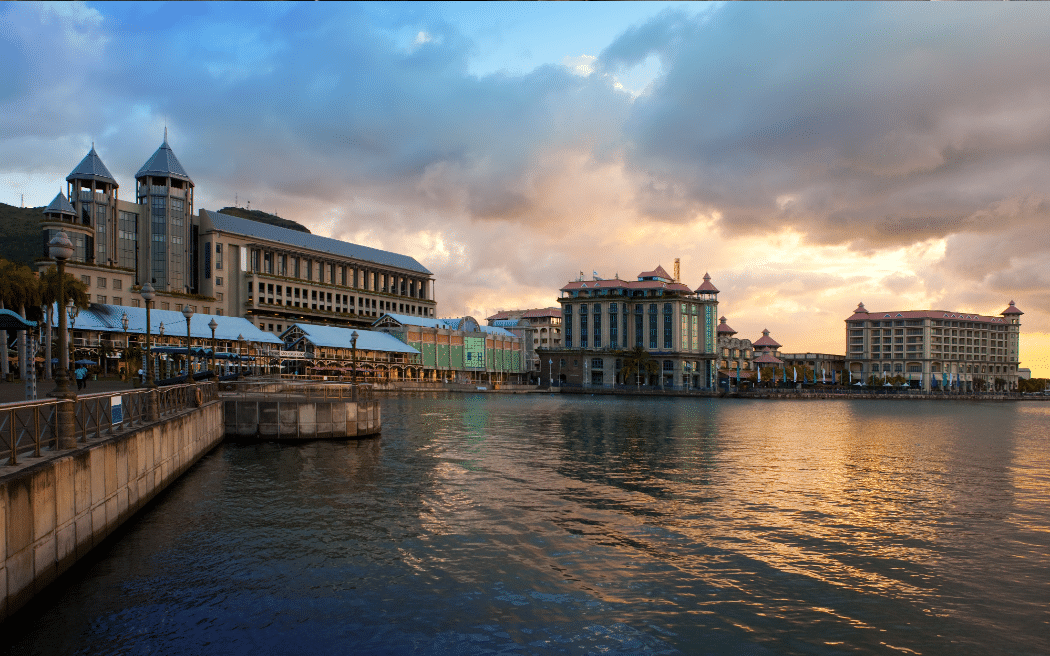
Port Louis after dark. The capital is a working city that empties in the evening. The commercial centre is quiet and poorly lit after the offices close, and there is little reason to be walking there at night. Caudan Waterfront is busy and fine; the streets behind it are not.
Isolated beaches at night. Deserted stretches of sand after dark are the classic setting for opportunistic trouble in any country. Walk the lit, populated ones.
Nightlife areas late. Grand Baie and Flic en Flac are safe and lively. Ordinary rules apply about drinks, taxis and walking back alone at three in the morning.
Beyond that, the honest answer to is Mauritius safe by area is that the whole island is fine, and the more remote you go the safer it tends to get, because you are simply in a village where everyone knows everyone. Is Mauritius safe outside the resorts? More so, not less.
If you only read one section on whether Mauritius is safe, read this one. It is the part we know better than anyone writing about it, and it is the part most safety guides leave out entirely. If something serious happens to a visitor in Mauritius, statistically the most likely cause is a vehicle rather than a person. That is the uncomfortable core of is Mauritius safe and almost nobody says it.
Driving is on the left, a legacy of British administration. If you are used to driving on the right, the dangerous moment is not the motorway, it is a roundabout or a junction on your third day when you stop concentrating.
The roads are narrow. Outside the motorway, most roads run through villages with no pavement, parked cars on both sides, and pedestrians, dogs and cyclists in the carriageway. Average speeds are low and attention needs to be high.
Local driving is assertive. Overtaking on blind bends, buses pulling out without warning, and mopeds appearing on your inside are all normal. Nobody is being aggressive at you personally.
Rain changes everything. The heavy afternoon showers between December and March put standing water on roads that drain badly, and visibility drops to very little for ten minutes at a time. Pull over.
Night driving is harder. Unlit roads, unlit pedestrians in dark clothing, and few reflective markings.
Do not drive on your arrival day. Most flights land in the early morning after a night without proper sleep, and picking up a hire car and immediately driving on the other side of the road while tired is the single worst decision available to you here. Take a transfer, sleep, and collect the car the next day. Nothing else on the is Mauritius safe list comes close to this for avoidable harm.
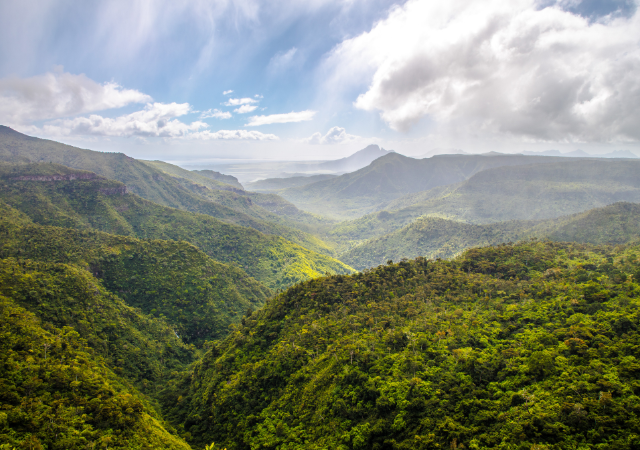
Ask a lifeguard is Mauritius safe and this is what they will talk about. The lagoon inside the reef is about as benign as tropical water gets: shallow, warm, no swell and no meaningful shark risk. That is exactly why the two real dangers catch people out.
Reef passes. Where the coral reef has a gap, all the water that came over the top has to get back out to sea, and it goes through that gap fast. This is the one genuine current in the lagoon and it is what drownings here usually involve. You can see the passes from the beach: look for the breaks in the white line of breaking surf offshore, and stay well away from them.
The unreefed south coast. Between roughly Souillac and Le Bouchon there is no protecting reef and the Indian Ocean hits the coast directly. Gris Gris is the famous one. It is spectacular, it is worth the drive, and you must not swim there. People who try get into serious trouble and there is nothing to hold them.
Flags matter. Public beaches with lifeguards fly the usual colours. Red means out of the water and it is not a suggestion. Where the flags are flying, is Mauritius safe to swim has already been answered for you that morning.
Stonefish. Rare, motionless, and indistinguishable from a rock. Reef shoes on any rocky or seagrass bottom, and do not put your foot down on something you have not looked at. Our snorkeling guide covers this in more detail.
Is Mauritius safe depends a little on who is asking, so here is each case separately.
Solo travellers. Yes. The island is small, English and French are both widely spoken, the tourist infrastructure is good and buses are easy. The usual solo precautions apply: tell someone your plan for a hike, do not walk isolated beaches at night, and be careful about drinking alone in nightlife areas.
Women travelling alone. Broadly comfortable, and many solo women travel here without incident. You may get more attention and conversation than you would at home, particularly at beaches and markets, and it is almost always conversational rather than threatening. Being direct and unambiguous works. Dress is relaxed at the beach and more modest in towns, villages and religious sites, which is worth matching.
Families with children. Genuinely one of the easiest destinations there is. Shallow calm lagoons in the north and west, hotels set up for children, good private medical care, and no serious disease risk. The main hazards for children here are the sun and the reef passes, in that order. For a family asking is Mauritius safe, those are the only two answers that matter.
Older travellers. Very comfortable. The main consideration is heat and humidity from December to March, and that private clinics are the better option for anything non trivial.
LGBT travellers. Mauritius is socially conservative in parts and attitudes vary. Most visitors report no difficulty, particularly in resort areas. Check your own government’s current travel advice before you book, since this is an area where guidance changes and a page like this should not be your source.
Is Mauritius safe from a health point of view? Comfortably so. The country has a well developed health system by regional standards, with free public hospitals and a strong private clinic sector.
Tap water is treated and generally safe to drink in hotels and towns. Many visitors and plenty of locals drink bottled anyway, mostly for taste. Water quality can be affected briefly after very heavy rain or a cyclone.
Food is safe, including street food. The dholl puri stalls in Port Louis are a genuine highlight and the turnover is high enough that freshness is rarely an issue. Use the same judgement you would anywhere: busy stall, hot food, cooked in front of you.
Mosquitoes. There is no malaria in Mauritius. Dengue and chikungunya do occur, particularly in the wetter months from December to April, so repellent in the evening is sensible rather than paranoid.
Medical care. Public hospitals are free including for visitors but can be slow. Private clinics are good, quick and will expect payment or insurance details up front. Take travel insurance that covers medical repatriation, which is the expensive part anywhere this far from home.
The sun. More visitors have a bad day here because of sunburn and dehydration than for every other reason on this page combined. We are at 20 degrees south with reflected light off white sand. If you take one thing from is Mauritius safe, take shade.
We are a taxi company, so we will be blunt about our own industry rather than pretend it is faultless. This is the part of is Mauritius safe that we can answer against ourselves.
Meters are not the norm. Most taxis in Mauritius do not run a meter, and the fare is whatever is agreed before you set off. That system works perfectly well when you agree it, and badly when you do not. Never get in without a price.
The airport is where it goes wrong most. An unbooked taxi at arrivals at two in the morning, with a tired family and no idea of the going rate, is where visitors get overcharged. The fix is simply to book a fixed price transfer in advance, from us or anyone else. Our Mauritius taxi prices page publishes the rate for every route so you know what a fair figure looks like even if you use someone else.
Resort transfer markups. Not a scam, just expensive. Hotels arrange transfers at a markup, and shared shuttles wait for every guest on the flight.
The friendly guide at an attraction. Someone who attaches themselves to you at a viewpoint and then asks for payment. Not dangerous, occasionally awkward. A polite firm no at the start is much easier than one at the end.
Money. Use ATMs inside banks and the airport. Change money at banks or the airport bureau rather than a street offer. Our Mauritius rupee guide covers rates, cards and tipping. None of this is dangerous, but it is the part of is Mauritius safe that costs people money.
Save these before you fly. Knowing them is the practical half of is Mauritius safe. They work from any phone in Mauritius, including a foreign SIM.
| Service | Number |
|---|---|
| Police | 999 or 112 |
| Ambulance and SAMU | 114 |
| Fire and rescue | 115 |
| National Coast Guard | 177 |
| Police hotline | 148 |
| Tourist information | 152 |
Swipe to see the full table
If something is stolen, report it at the nearest police station and get a written report. Your travel insurer will require it and will not pay without it. Hotel reception will tell you which station and usually help.
If you have an accident in a hire car, do not move the vehicles and call the police. Mauritian procedure expects a police report for an insurance claim, and moving the cars first complicates it.
In a cyclone warning, follow the class system on national radio and at your hotel. Class 3 means everything stops, including us. Warnings come from the Mauritius Meteorological Services.
Before you travel, read your own government’s current advice. It is updated in a way no travel article is, including this answer to is Mauritius safe.
Yes, Mauritius is safe for tourists. It is a stable democracy with an economy built substantially on tourism, and violent crime against visitors is rare. The realistic risks are theft from unattended beach bags, the roads and the reef pass currents in the lagoon, in that order of frequency.
Generally yes. Mauritius is safe at night in resort areas such as Grand Baie and Flic en Flac, which stay busy. Avoid walking isolated beaches after dark and the quiet commercial streets of Port Louis once the offices close. Ordinary city sense is enough.
Broadly yes. Mauritius is safe for solo female travellers and many women travel here alone without incident. Expect more conversation and attention than at home, particularly on beaches and in markets, which is almost always conversational rather than threatening. Dress more modestly away from the beach.
Crime affecting tourists is overwhelmingly opportunistic and non violent: things taken from beaches, cars and pockets. We do not publish figures here because the ones circulating online are often out of date. Check your government’s current travel advice for an up to date assessment.
Manageable, but driving is the one place where the answer to is Mauritius safe comes with a real caveat. Driving is on the left, roads are narrow and run through villages, local driving is assertive and night roads are unlit. Do not collect a hire car on your arrival morning after an overnight flight.
Inside the lagoon, yes. Swimming in Mauritius is safe almost everywhere behind the reef. The two exceptions are reef passes, where water drains back out to sea fast, and the unreefed south coast around Gris Gris, where you must not swim at all. Follow the flags where lifeguards are present.
Yes, it is treated and generally safe in hotels and towns, though many visitors drink bottled for taste. Quality can be briefly affected after very heavy rain or a cyclone, when bottled is the sensible choice.
There is no malaria in Mauritius, so no antimalarials are needed. Dengue and chikungunya occur in the wetter months, so use repellent in the evening. Check routine vaccination advice with your own doctor or travel clinic before you fly.
The single riskiest thing most visitors do here is get into an unbooked taxi at two in the morning, or collect a hire car straight off an overnight flight. A fixed price transfer, booked before you fly, with a driver holding your name at arrivals, removes both.
See transfer pricesAbout these figures
Emergency numbers verified against Maurinet and Expat.com in August 2026; confirm at your hotel on arrival. Cyclone warning classes come from the Mauritius Meteorological Services. We deliberately publish no crime statistics on this page, because the figures circulating online for Mauritius are frequently out of date; for a current assessment read your own government's travel advice. Everything described about roads, beaches, taxis and what actually happens to guests comes from driving these routes daily rather than from a dataset.
TRAVEL SAFELY FROM THE MOMENT YOU LAND
Avoid unlicensed taxis at the airport. A pre-booked private transfer means a named, verified driver waiting for you at arrivals. From €35, fixed price.
Book a Safe Private Transfer →